9 Delicious Liver Cleansing Smoothie Recipes For Hormone Balance

9 Delicious Liver Cleansing Smoothie Recipes For Hormone Balance

Disclaimer: This article contains affiliate links. As an Amazon Associate, I earn from qualifying purchases. This means I may receive a commission if you click a link and purchase a product that I have recommended. This comes at no extra cost to you and helps support the maintenance of this blog. Thank you for your support!

Ever felt like your hormones are staging a not-so-secret rebellion? From mood swings to energy dips, they can really throw us off track. Blame it on stress, lack of Zzz's, or a not-so-happy meal plan – our hormones can get a bit wild. But guess what? We've got a juicy secret for you: food can be your hormone hero! Yep, you heard that right. And here's a smooth move for you – check out those easy-to-make liver cleansing smoothie recipes! These sips of goodness are like a one-way ticket to happy hormones. So, if you're ready to give your body the TLC it deserves, join the smoothie squad and let's blend our way to balance!

Liver Cleansing Benefits

Imagine your liver as the superhero of your body – it battles toxins, keeps hormones in check, and even helps with digestion. But sometimes, this hero needs a little backup. When toxins pile up, our liver can feel like it's wading through a swamp, making it hard to do its job right. And that's when the trouble starts – hormones go haywire, and we're left feeling less than stellar.

But fear not, because there's a tasty solution: liver-cleansing smoothies! These sips are like a spa day for your liver, helping it detox and get back to its A-game. Packed with antioxidants, vitamins, and minerals, these smoothies are a delicious way to show your liver some love and bring those hormones back into balance.

So, if you're ready to give your liver the royal treatment and rock those hormone vibes, keep reading, we've got the ultimate liver cleansing smoothie recipes!

    Ingredients for Liver Cleansing Smoothie

    Let's take a peek at some superstar ingredients that make these smoothies the ultimate health boosters:

    Ginger - The Spicy Superhero

    Imagine ginger as the spicy superhero swooping in to save the day! With its centuries-old reputation for healing, ginger brings the heat with its anti-inflammatory and antioxidant powers. But that's not all – it's also a digestion champ, keeping things running smoothly in your gut. And remember, a happy gut means happy hormones! 

    Turmeric - The Golden Goddess

    Say hello to turmeric, the golden goddess of spices! This vibrant root adds a burst of color and a heap of benefits to your smoothies. Its curcumin content brings the anti-inflammatory and antioxidant party to a whole new level. Plus, it's a hormone harmony master, helping to wave that pesky imbalance goodbye. ✨

    Spinach - The Green Goodness

    Let's talk about spinach – the leafy green rockstar that's here to steal the spotlight! Packed with antioxidants and anti-inflammatory goodness, spinach is like a hug for your liver. But it's not stopping there – its magnesium magic helps keep hormones in check, ensuring they dance to the right rhythm.

    Kale - The Hormone Helper

    Kale, oh kale – the hormone helper that's always in style! This leafy green superhero brings antioxidants and anti-inflammatory action to your glass, giving your liver some serious love. And guess what? It's got a little something called phytoestrogens, which are like the peacekeepers of your hormone world. 

    Beets - The Radiant Root

    Now let's meet beets – the radiant root that's all about that liver TLC! Packed with antioxidants, vitamins, and minerals, beets are here to give your liver a boost and your taste buds a treat. Thanks to its betalain buddies, your liver gets a protective shield and a round of applause for its hard work. 

    Carrots - The Skin-Saver

    Last but not least, we've got carrots – the skin-saver that brings a burst of color and nutrition to the party! Antioxidants and anti-inflammatory vibes? Check! Beta-carotene for glowing skin and hormonal harmony? Double check! With carrots on the scene, your liver and hormones are in for a treat. 

    So, there you have it – the incredible cast of characters that make liver-cleansing smoothies the ultimate hormone-loving, liver-nourishing sips. Get ready to blend, sip, and let the good vibes flow! 

    Liver Cleansing Smoothie Recipes

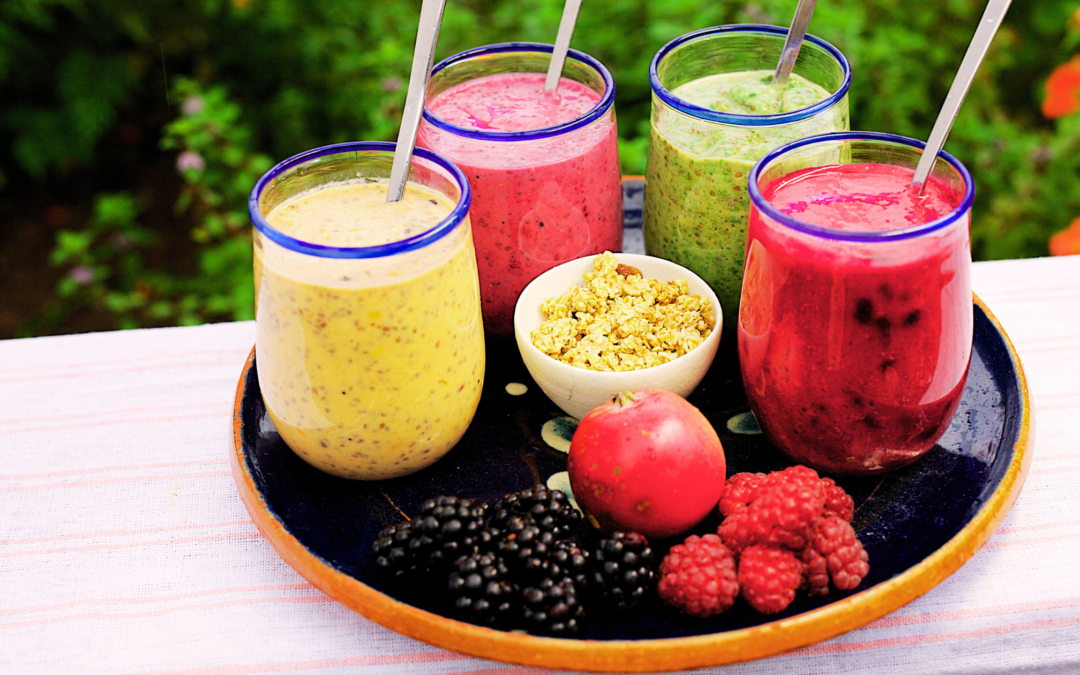
    Here are some simple and delicious liver-cleansing smoothie recipes that you can try at home:

    1. Ginger Turmeric Smoothie
    ginger-turmeric-smoothie

    Ingredients:

    1-inch piece of fresh ginger, peeled and grated
    1 tsp turmeric powder
    1 banana
    1 cup spinach
    1 cup almond milk
    1 tbsp honey (optional)

    Instructions:

    Place the grated ginger and turmeric in a high-quality blender.
    Add the banana, spinach, almond milk, and honey (if using).
    Blend until smooth.

    Packed with potent ingredients like fresh ginger and turmeric, known for their anti-inflammatory and detoxifying properties, this smoothie is a powerhouse of nutrients. The combination of ginger's zing and turmeric's warmth creates a dynamic flavor profile that complements the earthy notes of spinach. The banana adds a touch of natural sweetness, while almond milk lends a creamy texture.

    2. Kale Carrot Smoothie
     

    carrot-kale-smoothie

    Ingredients:

    1 cup kale
    1 cup carrots
    1 banana
    1 cup almond milk
    1 tsp honey (optional)

    Instructions:

    Place the kale and carrots in a blender.
    Add the banana, almond milk, and honey (if using).
    Blend until smooth.

    With the power-packed combo of kale and carrots, you're treating your body to a dynamic duo of antioxidants and anti-inflammatory goodness. Think of it as a delicious potion that brings together the best of greens and roots, all in one delightful sip. And just when you thought it couldn't get any better, the banana swoops in with its natural sweetness and creamy touch.

    3. Spinach Beet Smoothie
     

    spinach-beet-smoothie

    Ingredients:

    1 cup spinach
    1 beet, peeled and diced
    1 banana
    1 cup almond milk
    1 tsp honey (optional)

    Instructions:

    Place the spinach and diced beet in a blender.
    Add the banana, almond milk, and honey (if using).
    Blend until smooth.

    By teaming up spinach and beets, you're treating your body to a vibrant infusion of antioxidants, anti-inflammatory magic, and a treasure trove of vitamins and minerals. And let's not forget the banana – the ultimate sweet and creamy addition that ties it all together.

    4. Berry Lemon Smoothie
     

    berry-lemon-smoothie

    Ingredients:

    1 cup mixed berries (strawberries, blueberries, raspberries)
    1 lemon, peeled and seeded
    1 banana
    1 cup almond milk
    1 tsp honey (optional)

    Instructions:

    Place the mixed berries, lemon, and banana in a blender.
    Add the almond milk and honey (if using).
    Blend until smooth.

    This bad boy isn't just a yummy treat – it's a one-way ticket to antioxidant city, thanks to those mixed berries. And guess who's joining the party? Lemon, armed with a mega-dose of vitamin C to help your liver shine and keep stress at bay. Oh, and let's not forget the banana, the smooth talker adding that perfect touch of sweetness and creaminess.

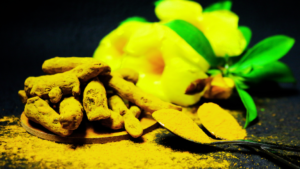
    5. Ginger Lemon Turmeric Smoothie
     

    ginger-lemon-turmeric-smoothie

    Ingredients:

    1 lemon, peeled and seeded
    1 inch piece of ginger, peeled
    1 tsp turmeric
    1 banana
    1 cup almond milk
    1 tsp honey (optional)

    Instructions:

    Place the lemon, ginger, turmeric, and banana in a blender.
    Add the almond milk and honey (if using).
    Blend until smooth.

    Prepare to sip on a rejuvenating elixir that's all about giving your liver some serious love! This invigorating smoothie packs a dynamic trio – ginger, lemon, and turmeric – bursting with antioxidants and anti-inflammatory goodness. These mighty ingredients team up to provide a powerhouse of support for your liver's function.

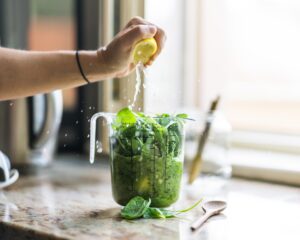
    6. Green Smoothie
     

    green-smoothie-recipe

    Ingredients:

    1 cup kale
    1 cup spinach
    1 cucumber
    1 banana
    1 cup almond milk
    1 tsp honey (optional)

    Instructions:

    Place the kale, spinach, and cucumber in a blender.
    Add the banana, almond milk, and honey (if using).
    Blend until smooth.

    This smoothie is a delicious and easy way to incorporate more greens into your diet. The combination of kale, spinach, and cucumber provides a good dose of antioxidants and anti-inflammatory compounds, while the banana adds natural sweetness and creaminess to the smoothie. The cucumber also provides hydration and helps to reduce inflammation in the body.

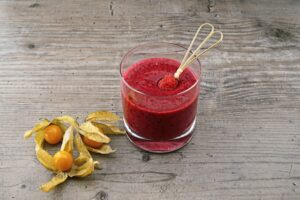
    7. Beet Carrot Apple Smoothie
     

    beet-carrot-apple-smoothie

     Ingredients:

    1 medium beet, peeled and chopped
    2 medium carrots, peeled and chopped
    1 medium apple, cored and chopped
    1 banana
    1 cup almond milk
    1 tsp honey (optional)

    Instructions:

    Place the beet, carrots, and apple in a blender.
    Add the banana, almond milk, and honey (if using).
    Blend until smooth.

    This delightful smoothie combines the vibrant powers of beets, carrots, and apples to create a delicious concoction that not only tantalizes your taste buds but also supports your liver's well-being. The beets bring in a colorful array of antioxidants and anti-inflammatory goodness, working their magic to promote healthy liver function. And speaking of radiant skin and sharp peepers, the carrots roll in with their beta-carotene prowess, which transforms into vitamin A to give you that extra glow. But hold on, the show isn't over yet – the apples step in with their natural sweetness and zesty flair, while the banana adds that irresistible creaminess we all adore.

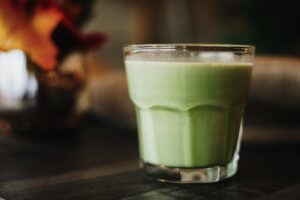
    8. Avocado Spinach Lemon Smoothie
     

    spinach-avocado-lemon-smoothie

     Ingredients:

    1 medium avocado, pitted and peeled
    1 cup spinach
    1 lemon, peeled and seeded
    1 banana
    1 cup almond milk
    1 tsp honey (optional)

    Instructions:

    Place the avocado, spinach, and lemon in a blender.
    Add the banana, almond milk, and honey (if using).
    Blend until smooth.

    This creamy concoction isn't just your ordinary smoothie – it's a luscious treat that caters to your liver's cravings while helping to balance those hormones. Dive into the goodness of creamy avocado, offering up its healthy fats and a burst of antioxidants. Then, let the vibrant spinach shower you with a plethora of essential vitamins and minerals. But that's not all – brace yourself for the zesty twist of lemon, delivering a punch of vitamin C that your liver will adore.

    8. Cucumber Mint Lime Smoothie

     

    cucumber-mint-lime-smoothie

    Ingredients:

    1 medium cucumber, peeled and chopped
    1 handful of mint leaves
    1 lime, peeled and seeded
    1 banana
    1 cup almond milk
    1 tsp honey (optional)

    Instructions:

    Place the cucumber, mint, and lime in a blender.
    Add the banana, almond milk, and honey (if using).
    Blend until smooth.

    This revitalizing smoothie not only delights your senses but also contributes to a balanced liver and hormone health. The cucumber provides hydration and antioxidants, while the mint brings a refreshing burst of flavor. Lime offers a zesty kick and a dose of vitamin C to support your liver's well-being. The banana and almond milk create a velvety consistency that's both satisfying and wholesome. So, sip away and enjoy the journey towards a harmonious body and taste experience.

    Tips for Making Liver-Cleansing Smoothies

    1. Use organic ingredients whenever possible to avoid exposure to harmful pesticides and chemicals.
    2. Use fresh ingredients for maximum nutritional benefit.
    3. Use a high-speed blender to ensure a smooth consistency.
    4. Use a variety of ingredients to ensure a wide range of nutrients and flavors.
    5. Use unsweetened almond milk or other non-dairy milk alternatives to avoid added sugars.
    6. Add honey or other natural sweeteners sparingly, as they can contribute to hormonal imbalances if consumed in excess.

    Are you ready to infuse your health routine with a dash of culinary ingenuity? Embark on a delectable journey with these delicious liver-cleansing smoothie recipes to enhance your well-being, all while championing your liver's health, taming oxidative stress, and harmonizing your hormones. Featuring a potent medley of ingredients like ginger, turmeric, spinach, kale, beets, and carrots, you'll lavish your body with the nourishment it craves. Let these revitalizing recipes serve as your gateway to a life of equilibrium and vibrancy. Embrace the blending magic and relish the radiant rewards that these liver-loving elixirs offer!


    7 Natural Ways To Help With Hormone Imbalance

    7 Natural Ways To Help With Hormone Imbalance

    Most women struggle with hormone imbalance, whether they are aware of it or not. Thyroid issues, moodiness, hot flashes, lack of libido, and painful periods are only a few ways hormonal imbalances can manifest in your life. Unfortunately, it is difficult to pinpoint the root cause of your troubles, as there is not one thing to blame for your complaints. Stress, diet, poor lifestyle choices, and environmental factors can all play a role.

    Signs Of Hormone Imbalance

    If you regularly suffer from two or more of these symptoms, the chances are that your hormones are out of balance.

    • Irregular periods
    • PMS symptoms (mood swings, bloating, headaches)
    • Fibroids
    • Fibrocystic and tender breasts
    • Endometriosis
    • Thyroid issues
    • Hot flashes
    • Night sweats
    • Low energy
    • Low libido
    • Weight gain
    • Hair loss
    • Water retention

    2. Try Seed Cycling

    Seed cycling is praised for helping regulate your cycle and support hormone balance. But what exactly is seed cycling?

    Seed cycling means incorporating four different seeds into your diet to support the hormonal needs of the different phases of your menstrual cycle.

    From day 1 to day 14 of your cycle, eat 1 tbsp of freshly ground flax seeds and 1 tbsp pumpkin seeds daily. Both flax and pumpkin seeds contain natural estrogen-promoting substances that can help prepare the uterine lining for implantation and bring estrogen levels into balance.

    From day 15 to day 28 (or until menses), eat 1 tbsp of freshly ground raw sunflower seed and 1 tbsp sesame seed daily. Both sunflower seeds and sesame seeds are high in vitamin E and zinc. These nutrients are essential for optimum progesterone production.

    The beauty of this strategy lies in its simplicity and that as you do it, you will be more in tune with your menstrual cycle. As a result, you will pay more attention to how you feel throughout the month and understand better how your natural hormonal fluctuations influence your mood and energy levels.

    3. Drink More Water

    Many women don't understand how hydration affects their bodies' ability to keep their hormones in balance. Drinking fresh, clean water helps keep your body hydrated, which supports the adequate functioning of your endocrine system, a network of glands and organs responsible for regulating a range of bodily functions through the release of hormones.

    For instance, your thyroid and adrenal glands are part of your endocrine system. The thyroid produces hormones that regulate metabolism, growth, development, and energy production, while the adrenal glands produce hormones that control functions such as blood pressure, heart rate, and stress response.

    Remember, poor hydration can adversely affect your body's ability to detoxify and remove toxins, leading to hormonal imbalance. So be sure to drink at least eight glasses of water a day.

    4. Exercise Regularly

     Not just what we eat affects our hormone levels; exercise also plays an important role. Hormone-related health problems, such as sleep issues, mood swings, stress, and weight gain, may be successfully addressed by increasing your physical activity.

    While it's easy to put exercise on the backburner and find plenty of perfectly valid excuses why you don't have time to go for a walk or to the gym, physical activity deserves to be part of a hormone-loving lifestyle. Exercise enhances your overall wellbeing and boosts hormone levels, such as dopamine, serotonin, estrogen, and testosterone.

    Increased dopamine levels in the brain help decrease stress and enhance your mood. So when you feel down, why not go for a walk or a nice jog? If you have trouble sleeping, exercise can help by encouraging serotonin production, which promotes a good night's sleep. In addition, boosting serotonin levels can positively affect your mood, appetite, digestion, and even sexual function. Regular exercise can also help boost testosterone, slowing the natural aging process.

    5. Reduce Stress Levels

    According to a 2020 survey, 49 percent of American adults report increased stress taking an emotional and physical toll on their bodies. Feeling tension in the body and experiencing mood swings are two common ways stress can manifest. Although your body is designed to handle small amounts of stress, chronic stress can wreak havoc on your health, leading to hormone imbalance.

    Your stress hormones - adrenaline and cortisol - are only meant to be released by the body occasionally. Yet, if you experience chronic, sustained stress, your body is forced to release stress hormones continuously. This can lead to weight gain, thyroid problems, fatigue, insomnia, depression, anxiety, irregular menstrual cycles, infertility, and more.

    Learning to deal with stress by staying calm in stressful situations is a great way to manage stress better. While you cannot eliminate stress, you can train yourself to respond to it in a way that is less destructive to your hormone health.

    Tips: Practice yoga, meditation, or breathwork daily to help calm your body. Schedule time for self-care, so it becomes a health-promoting habit over time. 

    6. Fix Your sleep

    The recommended daily amount of sleep is about 8 hours. Getting a sufficient amount and quality of sleep is critical for optimum hormone regulation. If you are a light sleeper, wake up multiple times throughout the night, or have trouble falling asleep, your low-quality sleep likely disrupts your hormone balance.

    Too much sleep isn't always a good thing either. Sleeping more than 9 hours a night can disrupt your sleep cycle, reduce metabolism, and cause daytime fatigue. Take sleep seriously and take action to improve your sleep hygiene.

    Tips: Keep your cell phone, laptop, and other electronics out of the bedroom. Train your body to know when it's time to sleep by going to bed and waking up at regular times.

    7. Ditch Toxic Skincare Products

    Unfortunately, it is not a cliche that we live in a highly toxic world. Our food, water, air, and even personal care products expose us to hundreds of harmful chemicals. Yet, shockingly enough, cosmetics and other personal care products are subject to little government oversight, allowing manufacturers to use toxic chemicals in their formulations, many of which have been linked to severe health problems, including cancer.

    According to the Environmental Working Group (EWG), some of the most common chemicals used in cosmetics are:

    • Formaldehyde (a known carcinogen)
    • Paraformaldehyde
    • Methylene glycol
    • Quaternium 15 (releases formaldehyde)
    • Mercury (damages the kidneys and nervous system)
    • Dibutyl and diethylhexyl phthalates (disrupts hormones and damage the reproductive system)
    • Isobutyl and isopropyl parabens (disrupts hormones and harm the reproductive system)
    • The long-chain per- and polyfluoroalkyl substances known as PFAS (linked to breast cancer)
    • M- and o-phenylenediamine, used in hair dyes, (irritates and sensitizes the skin, damage DNA, and can cause cancer)

    Research shows that the harmful effects of endocrine-disrupting chemicals (EDCs) are much more extensive than initially recognized. Clinical studies have linked EDCs to certain types of cancer, including breast cancer, cardiovascular and neurodegenerative diseases. Similarly alarming studies have also linked EDCs exhibiting estrogenic effects to increased uterine and breast cancer risk.

    The bottom line is, no matter how clean your diet is, how well you manage your stress, or how much you exercise, if your environment is filled with toxic chemicals and your skincare products are laden with endocrine-disrupting chemicals, you can still struggle with signs of hormone imbalance.

    Tips: Purchase natural and organic skincare products with clean formulations containing no toxic chemicals. Read labels carefully and avoid products with EDCs. Alternatively, you can make your own moisturizer, toothpaste, shampoo, or body butter with all-natural ingredients. A quick online search for DIY skincare recipes will get you thousands of non-toxic and skin-loving ideas.

    Sources used for this article include:

    APA.org

    EWG.org

    NIH.gov

    Link.Springer.com

    Best diet to relieve menopause symptoms and signs

    Best diet to relieve menopause symptoms and signs

    Menopause is a natural phase of a woman's life.  Although millions of women experience signs and symptoms of menopause, such as hot flashes, irritability, mood swings, weight gain, and similar uncomfortable symptoms, others go through this period symptom-free and with ease.  While hormone replacement therapy is commonly recommended to relieve menopause symptoms, this may not be necessary.  It turns out your diet has a lot to do with whether menopause will destroy your quality of life.

    What is menopause? 

    Menopause is not a disease state; instead, a natural stage of every woman's life.  If you have not had a period for 12 months or longer, you are likely in menopause. But as mentioned above, the absence of periods is often not the only symptom women experience as part of this new phase of life. 

    If hot flashes, anxiety, vaginal dryness, night sweats are ruining your life, it is understandable why you may believe that hormone replacement therapy is the only option. 

    What's so wrong with hormone replacement therapy (HRT)? 

    Contrary to common belief, HRT is not a solution to your menopause-related symptoms.  At least not in the real sense.  Solutions, by definition, resolve the core problem.  HRT does not do that; it merely masks it, leaving the underlying issue completely unresolved.

    But what's even worse than that, HRT adds fuel to the fire and predisposes you to a whole host of side effects. Some doctors recommend estrogen-only HRT; others prescribe estrogen-progestin hormone replacement therapy.  Regardless, the basis for this approach is always the same, and it is deeply rooted in the false idea that your aging ovaries are to blame.  

    HRT has serious potential side effects

    Shortly after hormone replacement therapy for women became popular, doctors began noticing some serious adverse effects among their patients on the drugs.  This recognition took place decades ago.  You might wonder, where is the proof?  Over the years, multiple clinical trials have confirmed the initial concerns, showing an increased rate of breast cancer, heart attack, and stroke among women on HRT.

    If people were to read the information that is included in the product label approved by the Food And Drug Administration of hormone drugs, they would be horrified to find these and other similar "adverse events".

    The below examples come straight out of the package insert of one of the most commonly prescribed estrogen, Premarin: 

    • Black box warning about endometrial cancer, cardiovascular disorder, breast cancer, and dementia. 
    • Increased risks of stroke, deep vein thrombosis (DVT) and pulmonary embolism (PE) and heart attack
    • Higher risk of dementia in postmenopausal women over 65 years old
    • Elevated risk of invasive breast cancer risk

    The above is by far not an all-inclusive list of what can go wrong while on estrogen therapy with or without progestin.  The risks are real and are not new.  But I don't blame you for believing the misinformation that there is something inherently wrong with you, that your body is simply breaking down as you get older, and that you have no other alternative than getting on HRT.

    What is the real cause of menopause symptoms?

    As I already pointed out, menopause is a natural stage of every woman's life.  Unlike what we are lead to believe, menopause symptoms are not meant to be part of the process, nor they are meant to be treated with synthetic hormones.  The cause of your problems may be rooted in reasons other than your aging ovaries.

    Your troubles are more likely to be the result of a combination of the following: 

    • sluggish liver
    • adrenal fatigue
    • thyroid hormone imbalances
    • food sensitivities
    • nutritional deficiencies
    • high toxic load on the body

    While taking estrogen and progestin pills may temporarily provide symptom relief, it does so by suppressing your immune system's ability to respond to whatever the underlying issue may be in the first place. Hormone replacement therapy does not address the root cause of your problems and makes you more likely to develop breast cancer, stroke, and heart disease, especially when combined with other risk factors. 

    What is the best diet to help with symptoms of menopause?


    Proper nutrition can have a profound impact on how you experience menopause. If you start implementing some of the below suggestions at the early stages of perimenopause, you will be far less likely to experience symptoms during menopause and postmenopause.

    If you are already menopausal and concerned about the risks of HRT, know that you have options. The right foods, herbs, therapeutic grade essential oils and self-care can bring about the relief you have been seeking.

    Dietary tips for menopause

    Increase your consumption of whole, plant foods such as vegetables, fruits, legumes, whole grains, nuts, and other seeds. Many of these foods have powerful hormone-balancing effects.

    Eat flaxseeds. They contain phytoestrogens and have demonstrated the ability to decrease hot flashes in multiple clinical trials.

    Add fermented soy foods to your diet. Organic tofu, miso, and tempeh can also help reduce hot flashes.

    If you eat animal products, be sure to only consume hormone-free meat to avoid creating hormone imbalance. Reduce or eliminate spicy foods and alcohol, both of which may increase hot-flash frequency and intensity.

    Avoid processed foods, refined carbohydrates, and alcohol as they can make your symptoms much worse, 

    Herbs to support hormone balance during menopause

     Black Cohosh

    Vitex (chaste berry)

    American Ginseng - an incredibly potent herb that supports healthy adrenals, boosts energy and relaxes the nervous system

    Maca (Lepidium peruvianum) - has been shown to reduce hot flashes and support normal hormone balance. Be careful, there are many different phenotypes of Maca, and not all are created equal. 

    Lift your mood and cool your body with essential oils

    Geranium and Rose oils have amazing hormone balancing effects. They also lift your mood and help you combat stress. There are few things in life more relaxing than taking a bath with a few drops of these powerful oils added to your water.

    Peppermint offers an instant cooling effect. Place a few drops on the back of your neck, chest, and feet at night.

    To get your long lost libido back, give Ylang Ylang a try! You may just find that it melts stress away and lifts your spirit.

    When it comes to essential oils, please use therapeutic grade oils.

    Whether you are in perimenopause, menopause, or post-menopause, you can benefit from making some simple diet and lifestyle changes to ease your uncomfortable symptoms.  Cleaning up your diet may just be the most natural approach to getting the relief you want.