Kidney Friendly Diet: 6 Hidden Challenges Most Women Over 40 Miss

Kidney Friendly Diet: 6 Hidden Challenges Most Women Over 40 Miss

Disclaimer: This article is for informational and educational purposes only. It is not intended as medical advice, diagnosis, or treatment. Always consult your healthcare provider before making any dietary or lifestyle changes, especially if you have a medical condition, including kidney disease. This article contains affiliate links. As an Amazon Associate, I earn from qualifying purchases. This means I may receive a commission if you click a link and purchase a product that I have recommended. This comes at no extra cost to you and helps support the maintenance of this blog. Thank you for your support!

A kidney-friendly diet involves many factors, including awareness of hidden mineral sources. When your kidneys aren't functioning at full capacity, they struggle to filter excess minerals from your blood. This makes every source of minerals in your kidney friendly diet important - not just the obvious ones in food. While most people following a kidney diet focus on limiting high-sodium foods or watching their potassium intake, many hidden sources of minerals can affect your kidney function. Being aware of these lesser-known sources can help you make more informed dietary decisions.

The Truth About Water Choices on a Kidney Friendly Diet

That bottle of mineral water marketed as "pure" and "natural" might be adding a significant mineral load your kidneys need to process. Evian contains 78mg of calcium per liter, along with 26mg of magnesium, while Fiji water contains just 18mg of calcium and 15mg of magnesium. San Pellegrino sparkling water contains even more - 200mg of calcium per liter plus 55mg of magnesium and notable sodium content. When your kidneys need to work less, these differences matter.

Some people managing their kidney health prefer water filtration systems like the Berkey Water Filter System, which can remove up to 99.9% of certain minerals and contaminants, including arsenic and fluoride. Unlike basic carbon filters that only handle chlorine and sediment, Berkey's advanced filtration technology specifically targets dissolved mineral content and toxic compounds. This means your kidneys won't have to process unnecessary minerals and harmful substances from your water intake, which can add up significantly over the course of a day.

Hidden Minerals in Your Cookware

Your cookware choices affect more than just how your food cooks. As non-stick coatings break down at high temperatures (above 400°F), they can release compounds that add to your kidneys' workload. Professional-grade stainless steel, particularly 18/10 grade, provides a stable cooking surface that won't leach unwanted minerals and toxic chemicals into your food. For those managing kidney health, this stability is crucial as it prevents additional mineral absorption during cooking.

For soups and acidic foods, your pot choice becomes even more crucial. Tomato-based sauces cooked in low-quality aluminum pots can absorb significant amounts of aluminum - up to 3.1mg per serving, according to cooking studies. Instead, opt for high-quality stainless steel or enameled cast iron for these dishes. The Cuisinart MultiClad Pro line offers exceptional stability without mineral leaching, making it particularly suitable for kidney-friendly cooking.

Supplements: What's Really in Those Capsules

Some supplements contain hidden phosphates, which may be a concern for individuals managing kidney health. A standard calcium supplement might include dicalcium phosphate as a binding agent, adding 40-60mg of phosphorus per tablet. Even basic multivitamins often contain mineral forms that your kidneys must work harder to process.

Common supplements that need careful attention include calcium tablets (often bound with phosphates), vitamin D supplements (may contain problematic mineral binders), and protein powders (frequently high in hidden phosphates). Always consult your healthcare provider before taking supplements, as individual needs vary.

The Beverage Mineral Mystery

Beyond water, many beverages contain surprising mineral content that impacts kidney function. Black tea contains 40-70mg of potassium per 8oz cup, while green tea contains 20-35mg. Herbal teas vary significantly: chamomile generally contains minimal minerals, while rooibos naturally concentrates iron. The brewing method matters too - cold brew typically extracts 25% fewer minerals than hot brewing.

Sports drinks marketed as healthy often contain problematic mineral levels. A typical 20oz sports drink can contain up to 140mg of potassium and added phosphates. Energy drinks frequently include hidden phosphoric acid as a flavoring agent.

Food Storage and Mineral Transfer

When following a kidney friendly diet, even your storage containers matter. Lower-quality plastic containers may leach compounds that add to kidney stress. The OXO POP Collection uses high-grade materials that prevent mineral transfer during storage. Their airtight seals also prevent moisture-related mineral concentration, a particular concern when storing fresh produce.

Understanding Food Labels

Food labels hide mineral content in unexpected ways. "Modified food starch" often indicates phosphate additives, while "protein-fortified" frequently means added phosphates. "Enhanced" meats typically contain a phosphate solution injection that can add up to 300mg of phosphorus per serving. Even "natural" products need scrutiny - many plant-based meat alternatives contain significant phosphate additives for texture.

When examining labels, check ingredients carefully. Phosphates appear under many names: sodium phosphate, pyrophosphate, or polyphosphate. These forms are more readily absorbed than natural phosphorus, placing extra stress on your kidneys.

For a comprehensive guide to kidney-friendly foods and their nutritional content, check out this detailed Renal Diet Food List & Checklist!

Making This Work Day to Day

Understanding these hidden mineral sources helps you make better choices for your kidney health. Start with your water source - it's something you consume throughout the day. Then evaluate your cookware, focusing first on pots and pans you use most often. Gradually build a kidney-friendly kitchen that supports your health goals.

Remember, small changes add up when it comes to reducing your kidneys' workload. Each mineral source you optimize means less stress on your kidney function over time.

Disclaimer: This information is educational only and should not replace professional medical advice. Always consult your healthcare provider about your specific situation.
10 Self-Care Essentials Every Woman Over 40 Needs to Thrive

10 Self-Care Essentials Every Woman Over 40 Needs to Thrive

Disclaimer: As an Amazon Associate, I earn from qualifying purchases. This post contains affiliate links, which means I may receive a small commission if you purchase through them (at no extra cost to you). I only recommend products I truly believe in and regularly suggest to my clients. Thank you for supporting this blog, where I share evidence-based resources for your wellness journey.

As a holistic nutrition practitioner working with amazing women over 40, I've discovered something powerful: true self-care isn't about following a rigid routine or buying into every wellness trend. It's about listening to your body and giving it what it truly needs to thrive during this transformative chapter of life.

I've spent years researching and testing what really works for women in their 40s and beyond, both professionally and personally. Today, I'm excited to share my favorite self-care essentials that make a real difference in supporting your body's natural wisdom. (This post contains affiliate links)

1. Morning Ritual Magic

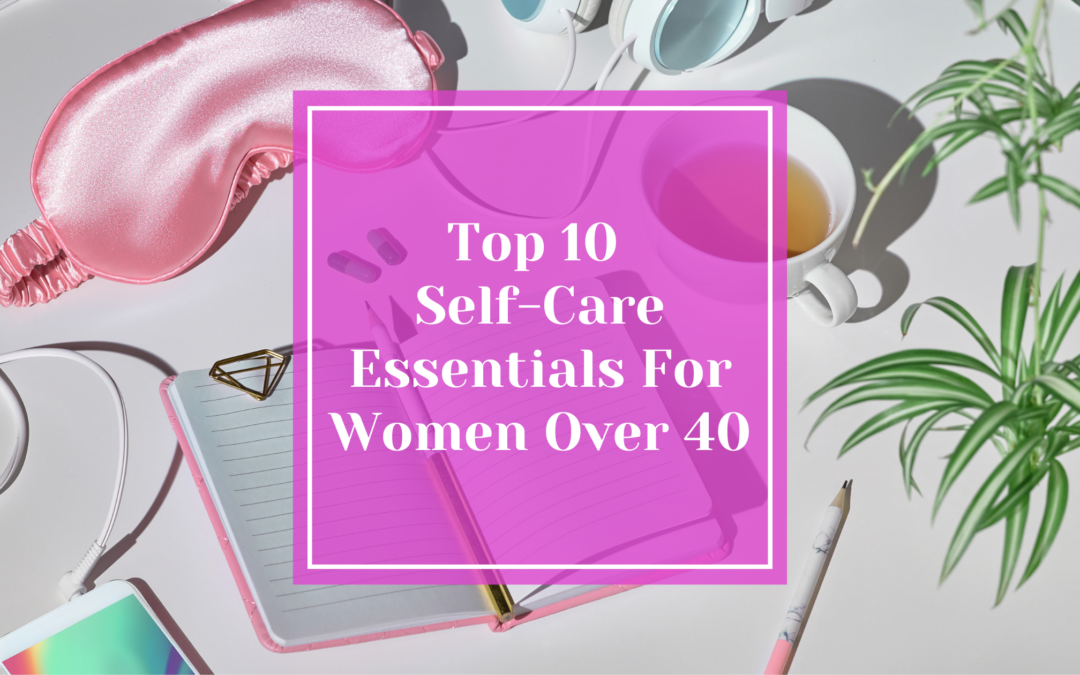
You know those precious morning moments before the world starts demanding your attention? They're pure gold for setting up your day (and your hormones!) for success. I absolutely love the Nextmug Plus - Temperature-Controlled, Self-Heating Coffee Mug for my morning ritual. It keeps my hormone-balancing herbal tea at the perfect temperature while I take a few minutes to ground myself. Paired with the Five Minute Journal, you'll have a beautiful way to start your day mindfully. Even on busy mornings, these few minutes make such a difference in how you feel.

What I love most about this morning duo is how it creates a natural rhythm for hormone balance. Sipping warm tea mindfully while journaling helps lower cortisol levels – something particularly important for women over 40. Many of my clients notice a significant difference in their energy levels and mood when they start their day with this gentle ritual instead of rushing straight into their to-do lists.

2. Sleep Support You'll Love

Quality sleep becomes even more precious after 40, and creating the right environment can transform your nights. The Brooklinen Luxury Sateen Sheet Set feels like sleeping on a cloud while helping regulate your body temperature (goodbye, night sweats!). Add a soft Silk Sleep Eye Mask and you've got a beautiful sleep ritual that supports your body's natural rhythms.

I especially love this sleep combination because it addresses the two of the most common sleep disruptors I see in my practice: temperature fluctuations and light sensitivity. The breathable sheets adapt to your body's changing temperature throughout the night, while the silk mask blocks out disruptive light without tugging at delicate skin.

3. Feel-Good Movement Essentials

Supporting your body through movement doesn't mean punishing workouts! I've found that gentle, consistent movement brings the most joy and benefits after 40. The Bala Bangles are perfect for adding gentle resistance to your daily walks or yoga practice. They're beautifully designed and so comfortable you'll forget you're wearing them – until you notice those lovely toned arms!

For your movement practice, the Ajna Organic Yoga Mat is worth every penny. The extra cushioning supports your joints while you move, and it's perfect for everything from gentle stretching to more dynamic flows. I keep one in my office for quick movement breaks between client sessions, and it's become such a trusted companion for daily movement.

4. Skin-Loving Rituals

Your skin tells a story after 40, and it deserves to be listened to with care. The Goop Body G.Tox Dry Brush is a beautiful way to start your day, supporting healthy circulation and that natural glow we all love. I recommend gentle circular motions, moving toward your heart – it's like a meditation for your skin.

Follow this with organic coconut oil, which I love for its nutrient-rich compounds that supports skin elasticity. For facial care, I've found that simple but effective ingredients work best. The Ordinary's Hyaluronic Acid is a beautiful example of this – high-quality active ingredients without unnecessary fillers or fancy packaging.

5. Stress-Soothing Sanctuary

Creating moments of calm throughout your day is crucial for hormone balance and overall wellbeing. The Bearaby Cotton Napper weighted blanket is like a gentle, loving hug when you need to reset. I keep mine in my home office for quick relaxation breaks between writing and client calls.

The Vitruvi Stone Diffuser elevates any space with calming aromatherapy. I love using lavender and frankincense essential oils – they create such a peaceful atmosphere for both work and relaxation. These tools help create little moments of sanctuary throughout your busy day.

6. Digital Wellness That Works

In our connected world, finding balance with technology is essential for our wellbeing. The Kindle Paperwhite has been a game-changer for evening routines. It lets you enjoy reading without the sleep-disrupting blue light of regular screens. I love recommending this to clients who want to build a better bedtime routine while keeping their love of reading.

Whether you're catching up on wellness blogs or diving into a good novel, having a dedicated reading device helps create that intentional space for mental unwinding. I also love how it tracks your reading progress – it's a gentle reminder of how you're investing in yourself through learning and relaxation.

7. Kitchen Companions for Vibrant Health

Nourishing your body becomes even more important after 40, and having the right tools makes it joyful and easy. The Vitamix E310 is an investment in your daily nutrition – perfect for hormone-balancing smoothies, warming soups, and so much more. One of my favorite ways to use it is for making golden milk lattes with turmeric and adaptogens.

This kitchen essential does more than just make cooking easier – it helps you create a sustainable wellness routine. When meal prep feels effortless and even enjoyable, you're more likely to maintain those healthy habits that support hormone balance and energy levels. My clients often tell me how having this tool has transformed their relationship with nutritious eating, making it an enjoyable part of their self-care rather than another item on their to-do list.

8. Mindful Planning for Self-Care

The Day Designer Planner helps you make self-care a priority rather than an afterthought. I love how this planner encourages you to make time for yourself alongside your daily commitments. It's not just about staying organized—it's about prioritizing your needs every day.

For women over 40, the design is especially helpful. The layout makes it simple to track wellness routines, monitor energy levels, and notice how different activities impact your mood. It also helps you create space for self-care practices that help you feel your best. I encourage my clients to use it as a wellness journal too – noting patterns in their energy and hormone cycles helps them create routines that truly support their bodies' needs.

9. Connection Creators

Nurturing meaningful relationships becomes increasingly important for wellbeing after 40. The We're Not Really Strangers card deck creates beautiful opportunities for deeper conversations. I use these cards in my women's wellness circles, and they never fail to spark meaningful connections and insights.

What I love most about intentional connection tools is how they help us move beyond surface-level conversations. In my practice, I've seen how meaningful relationships directly impact overall wellbeing. These cards have sparked some of the most healing conversations in my women's circles, creating bonds that support our wellness journeys.

10. Growth and Learning Tools

Keeping your mind engaged and growing is vital for overall wellness. An Audible subscription ($14.95/month) lets you learn and grow while going about your day. I love listening to health and wellness books during my morning walk – it's like having a pocket full of wisdom whenever you need it.

I love listening to audiobooks during my self-care time—whether I'm in the middle of my skincare routine or whipping up a healthy meal. It's such a simple way to turn everyday tasks into moments of personal growth. Plus, a lot of my clients tell me they enjoy this "learn while you care for yourself" approach—it makes those little rituals feel even more rewarding.

A Note From My Heart to Yours

Beautiful friend, here's what I want you to know after years of supporting women through their wellness journeys: taking care of yourself is essential so that you can show up as your best self in all areas of your life. Whether you're navigating hormone changes, energy shifts, or just feeling like it's time to prioritize your wellbeing, know that small, consistent acts of self-care can create powerful transformations.

Start wherever you are. Maybe it's creating a peaceful morning routine, or finally getting the restful sleep your body craves. Listen to your intuition about what you need most right now.

11 Best Foods For Natural Hormone Balance

11 Best Foods For Natural Hormone Balance

Disclaimer: This article contains affiliate links. As an Amazon Associate, I earn from qualifying purchases. This means I may receive a commission if you click a link and purchase a product that I have recommended. This comes at no extra cost to you and helps support the maintenance of this blog. Thank you for your support!

If you're in your 40s or 50s and feeling like your body has a mind of its own lately, you're not alone. Hot flashes, mood swings, unexplained weight gain, and sleepless nights – sound familiar? The good news? Your kitchen might hold the key to finding balance again.

Why Hormone Balance Matters Now More Than Ever

As we enter our 40s and beyond, our bodies go through significant hormonal shifts. Perimenopause and menopause can feel like unwanted guests who've overstayed their welcome. But here's the empowering part: what we eat can make a remarkable difference in how we feel during this transition.

11 Powerful Foods for Hormone Balance

Cruciferous Vegetables

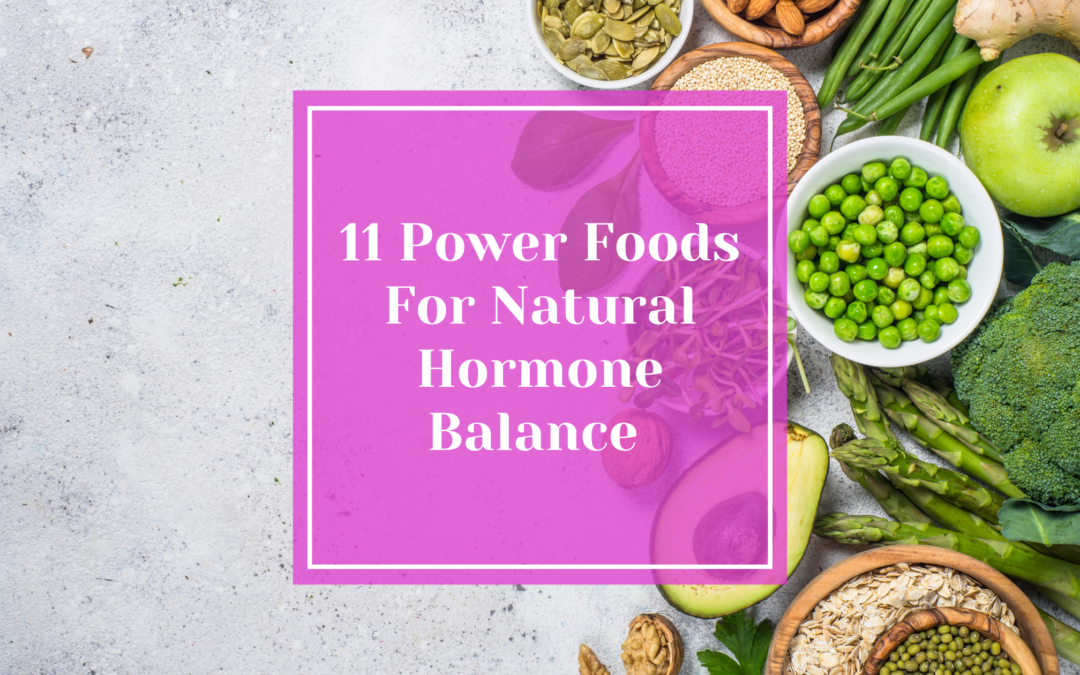
Remember when your mother insisted you eat your broccoli? Turns out she was onto something. Cruciferous vegetables are fantastic for hormone balance because they help your liver – the body's natural detox center – clear out excess hormones. This becomes especially crucial after 40, when hormone fluctuations can wreak havoc on everything from our mood to our waistline.

What makes these vegetables such powerful foods for hormone balance? It's a special compound called DIM (diindolylmethane) that helps your body metabolize estrogen effectively. Think of your liver as a hormone processing plant – these vegetables give it the tools it needs to do its job properly. I recommend starting your day with a breakfast smoothie that includes raw cruciferous veggies, or lightly steaming them for dinner to maximize their hormone-balancing benefits.

Try these hormone-helping powerhouses:

  • Broccoli
  • Cauliflower
  • Brussels sprouts
  • Cabbage
  • Bok choy

Leafy Greens

If perimenopause has your cortisol levels dancing on the ceiling, leafy greens are your new best friend. Kale, spinach, and Swiss chard are packed with nutrients that help lower cortisol and balance estrogen – exactly what we need during this phase of life.

The magic of leafy greens as foods for hormone balance lies in their magnesium content. Many women don't realize that magnesium deficiency can mimic symptoms of hormone imbalance, including anxiety, insomnia, and muscle tension. I've found that adding a large handful of greens to your daily diet can make a noticeable difference in how you feel within just a few weeks.

Pro tip: Aim for 25-35 grams of fiber daily. Most of us are only getting half that amount, and fiber is crucial for hormone balance.

Avocados

That morning avocado toast isn't just trendy – it's therapeutic. Avocados contain vitamin E and healthy fats that support hormone production and help manage those frustrating cortisol spikes that seem to hit more frequently after 40.

Here's something fascinating about avocados as a hormone-balancing food: they contain natural plant sterols that mimic the effects of progesterone in your body. This becomes particularly important during perimenopause when progesterone levels naturally begin to decline. Try adding half an avocado to your daily meal plan – your hormones will thank you.

Flaxseeds

Flaxseeds are rich in lignans – natural compounds that can help moderate estrogen levels during perimenopause. Just a tablespoon in your morning smoothie can make a difference.

What makes flaxseeds one of the most effective foods for hormone balance is their unique fiber composition. This special fiber helps remove excess estrogen from your body. Be sure to grind your flaxseeds fresh or store them in the refrigerator to preserve their hormone-balancing properties.

Nuts

Feeling foggy and fatigued? Brazil nuts, in particular, are rich in selenium – a mineral that becomes increasingly important for thyroid function as we age. A handful of mixed nuts makes the perfect 3 PM snack when those hormone-related energy dips hit.

When it comes to hormone-balancing foods, nuts offer another secret weapon: L-arginine. This amino acid helps your body produce growth hormone naturally, which can help maintain muscle mass and energy levels during perimenopause. Try creating a custom hormone-supporting trail mix with Brazil nuts, walnuts, and almonds for maximum benefits.

Pomegranates

During perimenopause, estrogen can feel like it's on a roller coaster. Pomegranates help keep things steady by naturally moderating estrogen production.

Research has shown that pomegranates contain unique compounds that make them one of the most effective foods for hormone balance, particularly for women over 40. These compounds, called polyphenols, help protect your body from harmful forms of estrogen while supporting beneficial ones. Try adding pomegranate seeds to your salads or drinking a small glass of pure pomegranate juice daily.

Cherries

    If hormone changes have you counting sheep at night, cherries might be your ticket to better sleep. They're natural sources of melatonin – perfect for those nights when hot flashes keep you tossing and turning. While fresh cherries are great when in season, I've found that many women swear by tart cherry juice concentrate for a more consistent sleep.

    And here's a tip that changed my sleep game: pair your evening cherry routine with a cooling bamboo pillowcase and a light-blocking sleep mask. The combination of natural melatonin from the cherries and a cool, dark sleep environment can make a world of difference during those nights when hormones are making sleep elusive.

    Quinoa

    Stable blood sugar means stable hormones. Quinoa helps keep your insulin levels steady, which becomes increasingly important after 40 when our metabolism starts getting a bit more finicky.

    Many women don't realize that quinoa is actually one of the most complete foods for hormone balance available. Unlike other grains, it contains all nine essential amino acids, making it a powerful ally in maintaining healthy hormone production. The protein-carbohydrate combination in quinoa also helps prevent those mid-afternoon energy crashes that can trigger cortisol spikes.

    Chickpeas

    Hormone-related mood swings got you down? Chickpeas are rich in B vitamins that support those feel-good brain chemicals we sometimes seem to lose track of during perimenopause.

    As a hormone-balancing food, chickpeas play another crucial role: they're rich in phytoestrogens that can help smooth out the hormonal fluctuations common after 40. Their high fiber content also helps maintain healthy estrogen levels by supporting proper elimination of excess hormones through the digestive system.

    Wild-Caught Salmon

    Those omega-3s aren't just good for your heart – they're essential building blocks for hormone production. Aim for wild-caught salmon twice a week to support your hormonal health.

    What makes salmon one of the most important foods for hormone balance is its unique combination of vitamin D and omega-3 fats. This duo supports the production of hormones that help regulate mood, sleep, and metabolism. Plus, the anti-inflammatory properties of salmon can help reduce the joint pain and inflammation that often accompany hormonal changes.

    Chia Seeds

    These tiny seeds pack a powerful punch when it comes to stabilizing blood sugar and supporting hormone balance. They're especially helpful during perimenopause when insulin sensitivity might start to change.

    The omega-3 fatty acids in chia seeds make them particularly effective as a hormone-balancing food. These healthy fats help produce and maintain healthy cell membranes, which is crucial for hormone receptor function. Try soaking chia seeds overnight in almond milk with a touch of vanilla for a hormone-supporting breakfast pudding.

    Making It Work for You

    The best part about these foods for hormone balance? They're easy to incorporate into your daily routine. Start with adding just one or two to your diet this week. Maybe it's sprinkling some chia seeds on your breakfast or swapping your afternoon chips for some roasted chickpeas.

    Remember, hormone balance isn't about perfection – it's about progress. Your body is going through natural changes, and these foods are here to support you through the journey.

    Resources to Support Your Hormone Balance Journey

    While incorporating these foods into your diet is a powerful first step, many women find it helpful to have a structured approach to hormone-balancing meals. I often recommend "Cooking for Hormone Balance" to my readers – it's become something of a bible in my kitchen. What makes it especially valuable for women over 40 is how it combines these hormone-supporting foods into practical, delicious recipes that don't require hours in the kitchen. 

    Another game-changer is "The Hormone Fix" by Dr. Anna Cabeca. While this book goes beyond just food, it provides invaluable insights into how different foods affect our hormones during perimenopause and menopause. Her recipes and meal timing strategies have helped countless women navigate their hormone journey more smoothly.

    Your Next Steps

    Ready to take control of your hormonal health? Start by adding three of these foods to your grocery list this week. Pay attention to how you feel as you incorporate them into your meals. Your body will thank you for giving it the natural support it needs during this important life phase.

    Disclaimer: This information is educational only and should not replace professional medical advice. Always consult your healthcare provider about your specific situation.

    Sources for this article include:

    Harvard.edu

    NutritionFacts.org

    NutritionFacts.org

    Healthline.com